 Plan a journey
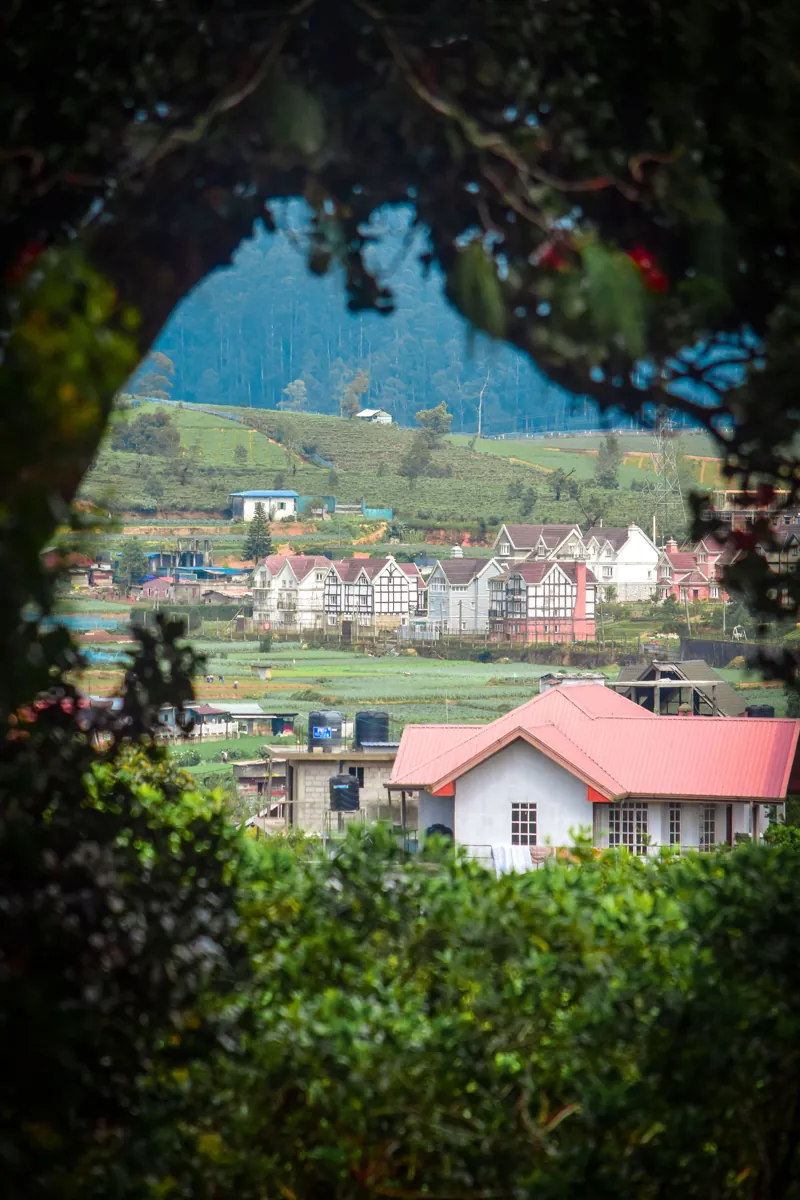
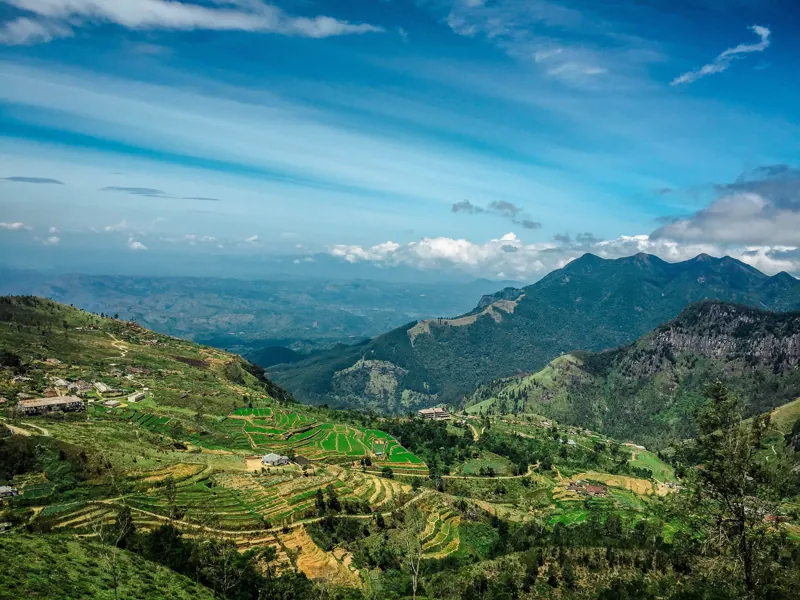
At almost 1,900 metres, Nuwara Eliya is a cool, misty town of Tudor-style mansions, a racecourse and a golf course. Around it lie emerald tea estates where some of the world's finest Ceylon tea is plucked by hand.
History
British colonists developed Nuwara Eliya in the nineteenth century as a hill station, a cool retreat from the heat of the lowlands. Its climate reminded homesick officials of England. They built a racecourse, a golf course, country clubs and gabled bungalows, many of which survive.
When disease destroyed the island's coffee crop in the 1870s, planters turned to tea. The highlands around Nuwara Eliya produce some of the most delicate high-grown Ceylon tea.
Culture & meaning
Tea still shapes life here. Tamil plantation families, whose ancestors were brought from South India in the colonial era, work the estates, and many tea factories welcome visitors for tours and tastings.
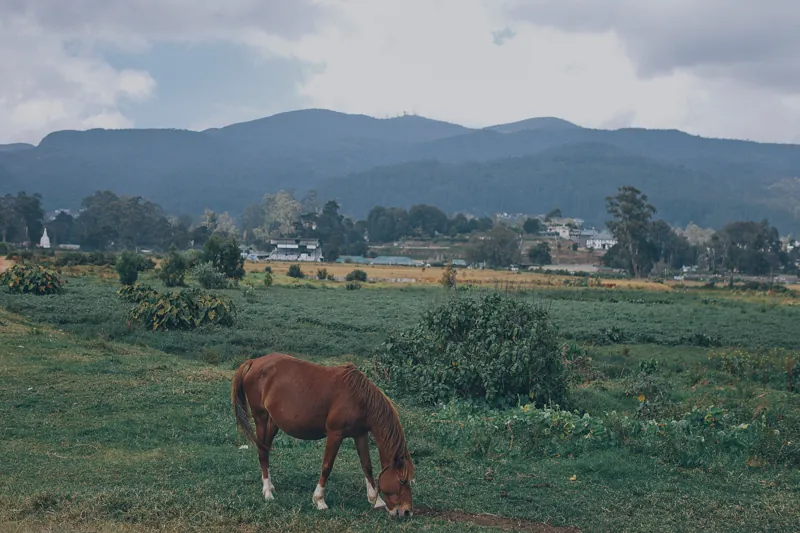
In April, around the Sinhala and Tamil New Year, the town has its 'season'. Holidaymakers from Colombo arrive for horse races, motor events and flower shows, and Gregory Lake comes alive.
Travel notes
- Pack a warm layer. Evenings are cold, and many older hotels have open fireplaces.
- Tour a working tea factory and take part in a tasting. The morning is when the leaf is fresh.
- Arrive or leave by train via Nanu Oya station (15 minutes away), the most scenic part of the line to Ella.
- Hakgala Botanic Garden, 10 km away, is lovely in spring when the roses are in bloom.