

Kalpitiya, Sri Lanka
← Back to map

North & West

Kalpitiya

කල්පිටිය

Huge pods of spinner dolphins and world-class kitesurfing lagoons.

Photo: Pexels / Pixabay · Free to use (Pexels / Pixabay license)

Best time to visit

  1. J
  2. F
  3. M
  4. A
  5. M
  6. J
  7. J
  8. A
  9. S
  10. O
  11. N
  12. D

Best Fair Wet / not ideal

There are two seasons. From December to April, calm seas bring dolphin and whale watching. From May to October, strong winds make it perfect for kitesurfing.

Moments to plan around

  • Dolphin seasonNovember–April
  • Kitesurf seasonMay–October (also Dec–Mar)

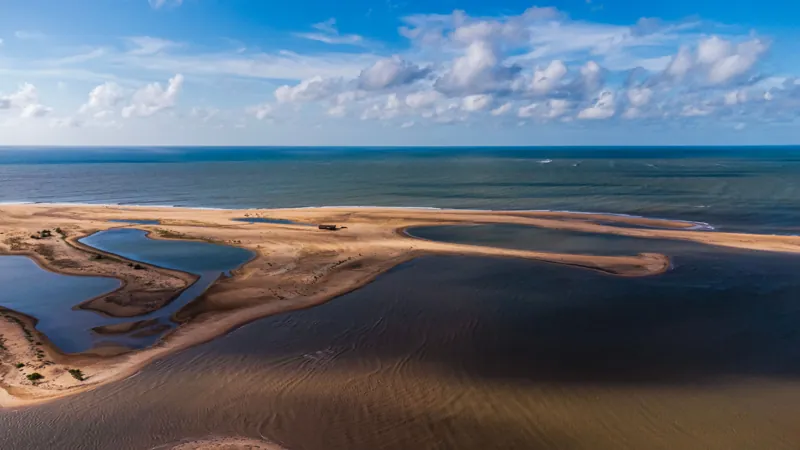
A long sandy peninsula between a lagoon and the sea, Kalpitiya is one of the best places in Asia for kitesurfing. In winter, pods of hundreds of spinner dolphins leap offshore.

History

The Dutch built a small coral-stone fort at Kalpitiya in the seventeenth century to control trade along this coast. Fishing and coconut farming shaped life on the peninsula for centuries. Offshore, the Bar Reef Marine Sanctuary protects the largest coral reef system in Sri Lanka.
Kalpitiya, Sri Lanka
Photo: Pexels / Pixabay · Free to use (Pexels / Pixabay license)

Culture & meaning

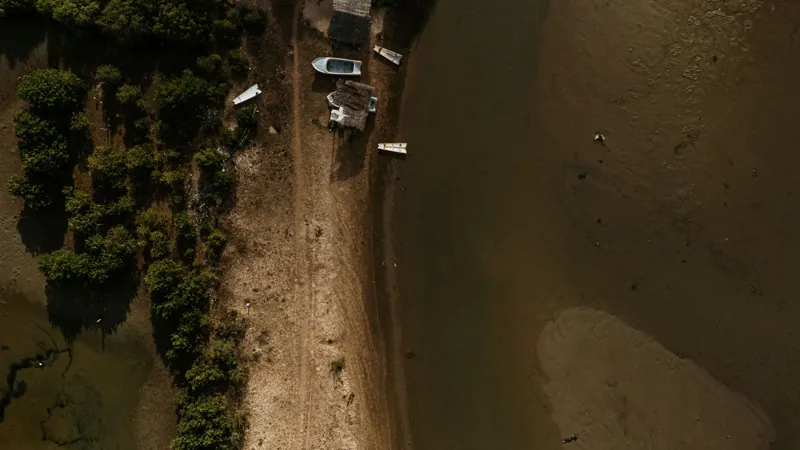
Fishing villages, coconut groves and salt pans line the lagoon. In recent years, small eco-friendly kite camps have opened along its shores. Dolphin-watching boats leave at dawn in season, and pods of spinner dolphins can number in the hundreds.
Kalpitiya, Sri Lanka
Photo: Pexels / Pixabay · Free to use (Pexels / Pixabay license)

Travel notes

  • Dolphin boats leave around 6:30am. Choose operators that don't chase pods.
  • The lagoon has flat, shallow water, which is ideal for kitesurfing lessons.
  • Combine it with Wilpattu National Park, about 1.5 hours away.

Stay a night

Where to stay near Kalpitiya

$$ Glamping

Dolphin Beach Resort

Kalpitiya beach

Luxury safari tents and cottages on a quiet beach.

  • Beachfront
  • Pool
  • Glamping tents
Official website ↗

Sources

This text is our own summary, written from these references:

Next destination Negombo →