 Plan a journey
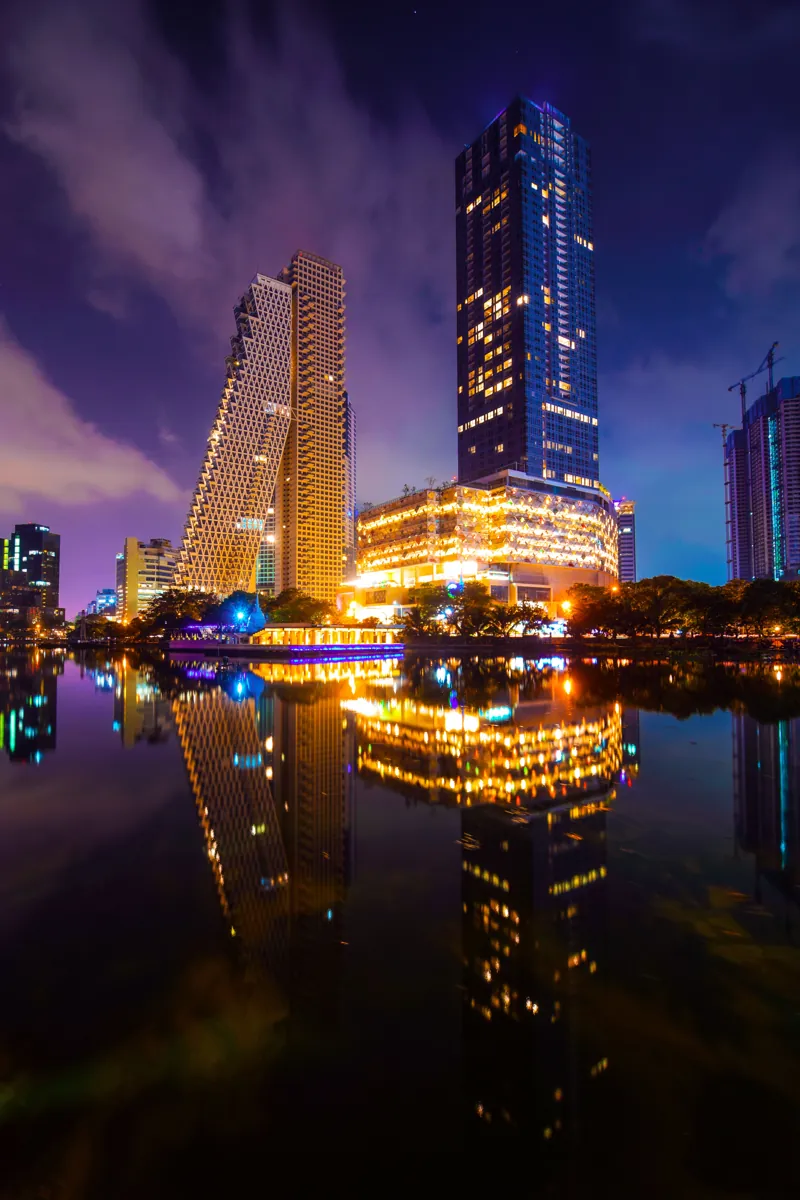
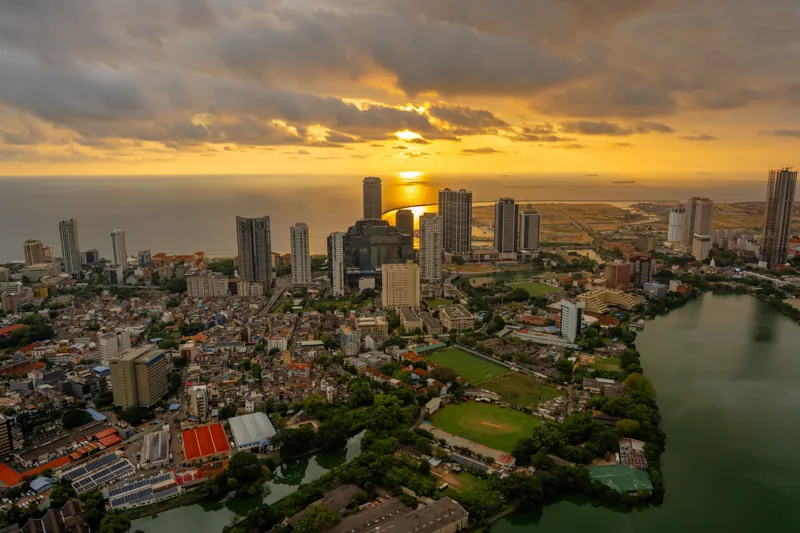
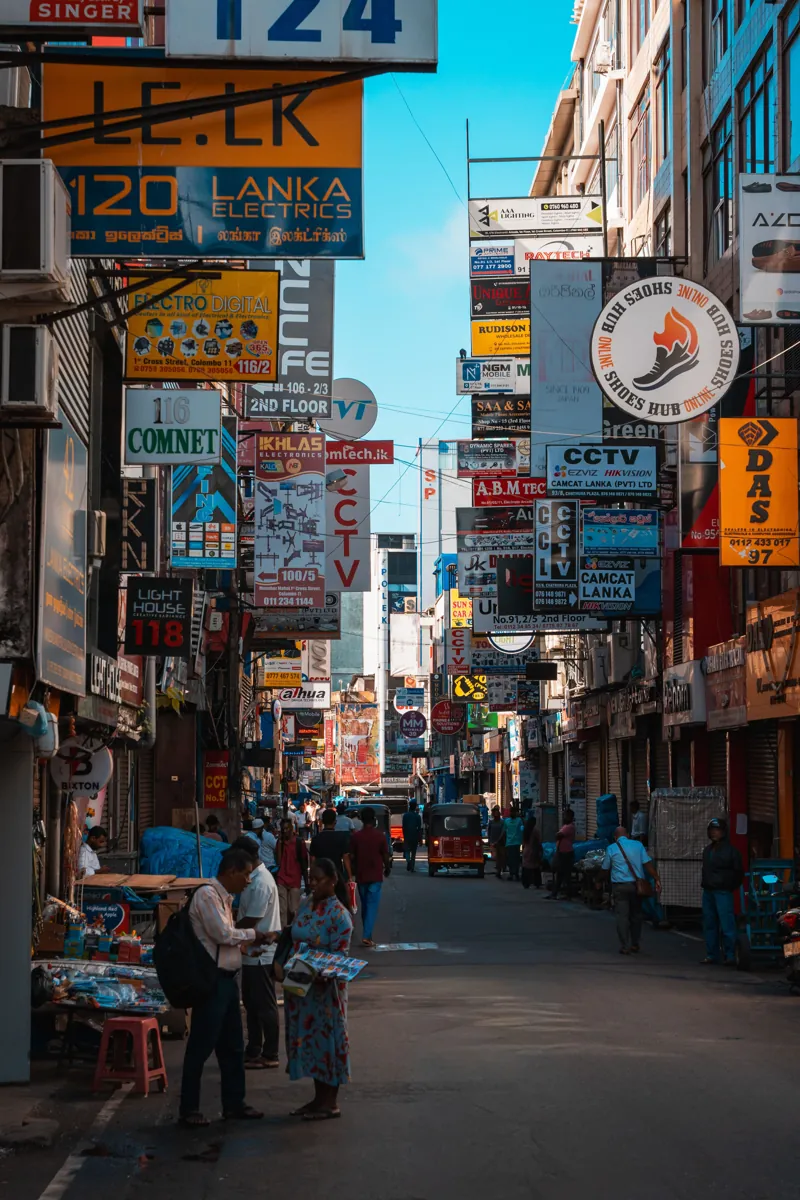
Colombo is a quick-changing, layered city. Victorian landmarks face the Indian Ocean, Pettah's bazaars are full of noise and spice, and Geoffrey Bawa buildings and fine restaurants are tucked into leafy streets.
History
Arab traders knew Colombo's harbour long before the Portuguese arrived in the early 1500s. The Dutch captured the city in 1656, and the British in 1796. Under British rule it grew into the capital of Ceylon. The Fort district still has grand colonial buildings, and the seafront promenade of Galle Face Green was laid out in the mid-nineteenth century.
Culture & meaning
Colombo reflects the island's diversity. You will find the Buddhist Gangaramaya Temple, Hindu kovils, the red-and-white striped Jami Ul-Alfar Mosque in Pettah, and colonial churches.
The city is also the best place to see Geoffrey Bawa's work. Visit his former home, Number 11, and the Seema Malaka meditation pavilion floating on Beira Lake. In the evening, families gather at Galle Face Green for street food and sea breezes.
Travel notes
- Book a guided tour of Geoffrey Bawa's Number 11 house in advance.
- Go to Pettah in the morning, and to Galle Face Green at sunset for isso vadai (prawn fritters).
- Colombo's airport is about 35 km north, near Negombo. Allow at least an hour by expressway.